

Remembering Michael Reagan: The Reagan Years After Reagan
How Reagan’s oldest son helped carry a presidency, a philosophy, and a set of ideas forward after his father left office

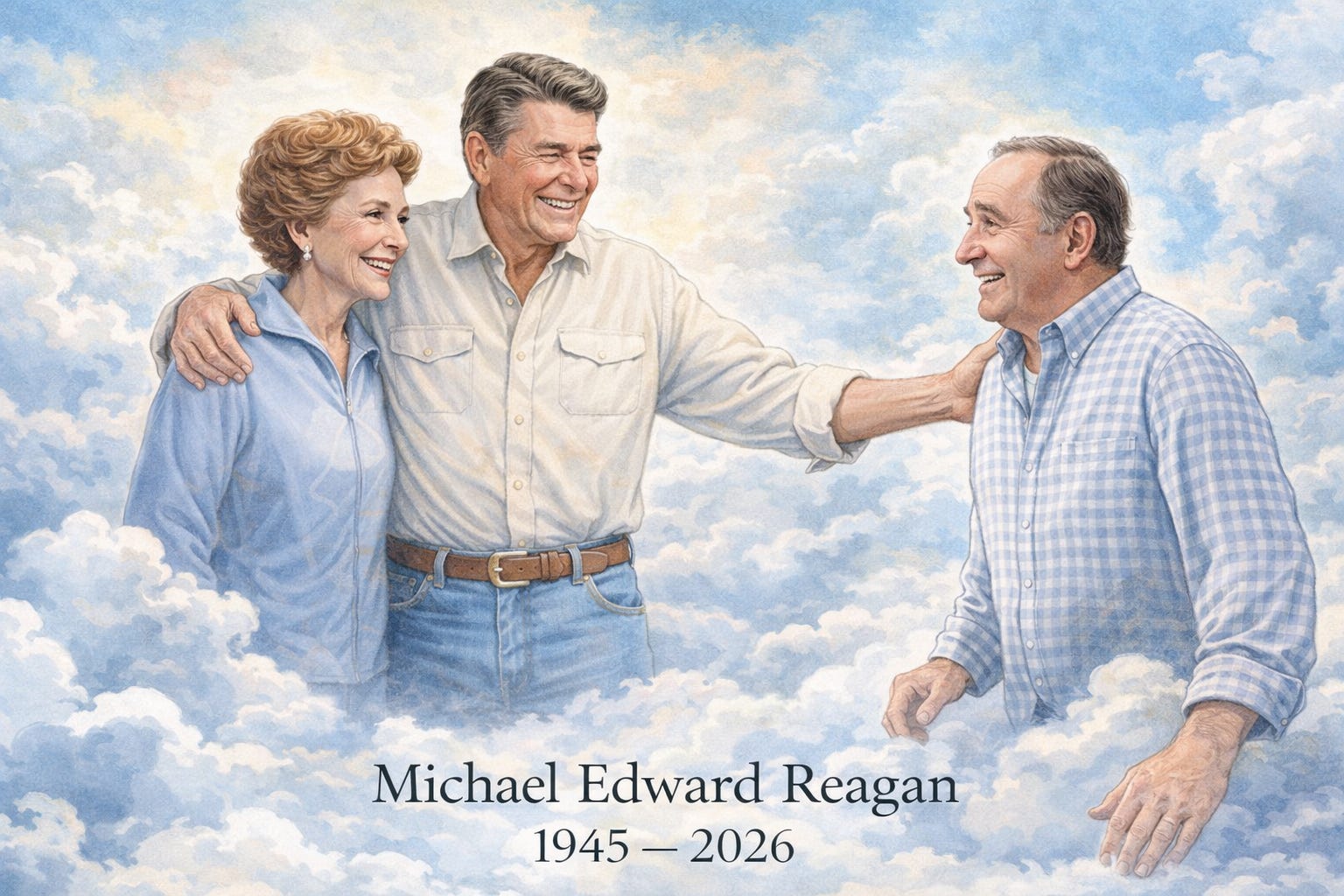
It is with a heavy heart that I am writing about the passing of a second friend in as many days, with the unexpected and tragic death of U.S. Rep. Doug LaMalfa yesterday.
🕒 6 min read
A Life Lived With the Weight of Legacy
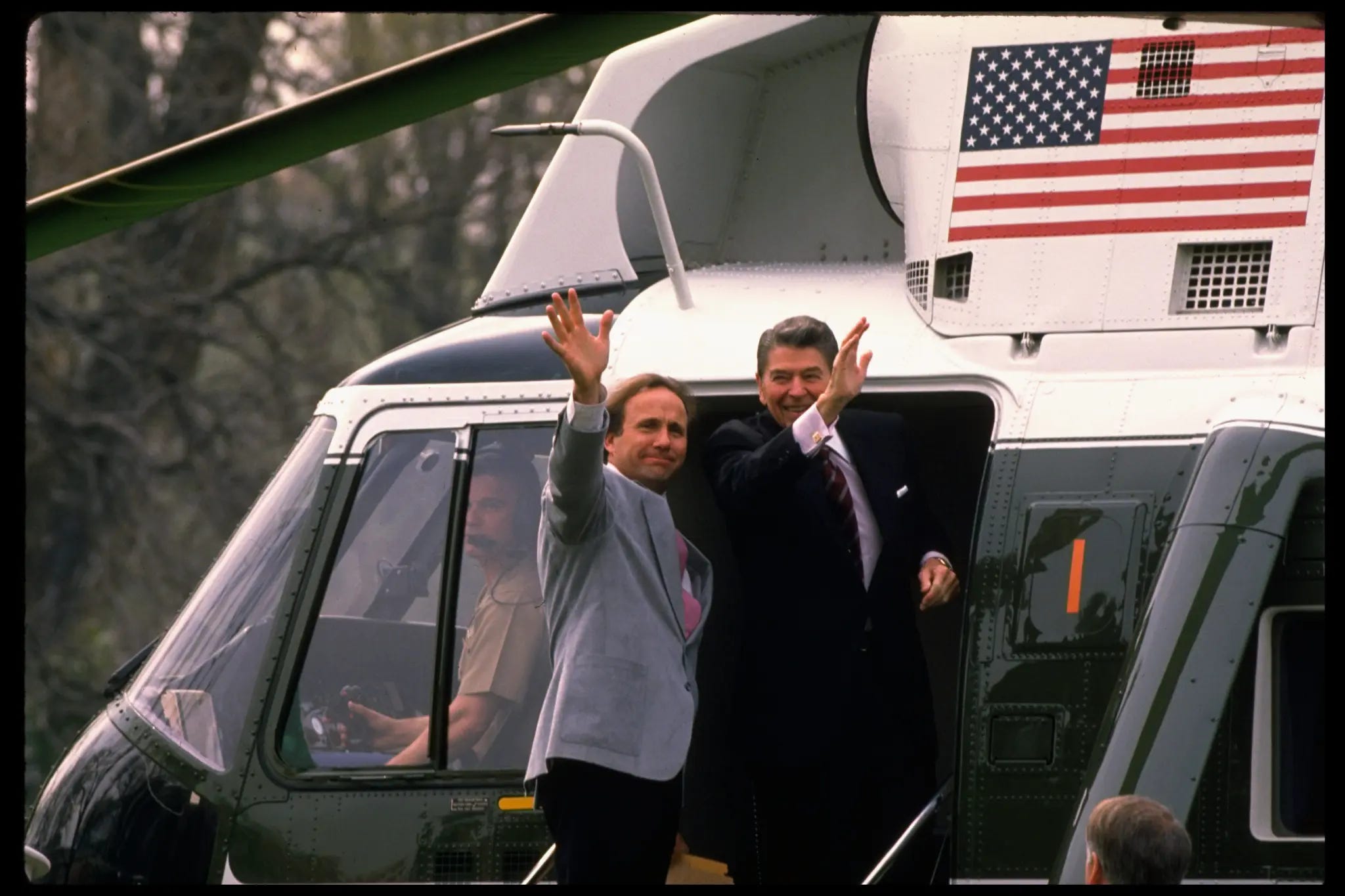
I learned yesterday that over the weekend, my friend Michael Reagan had passed away. It is the kind of news that stops you for a moment, even when you know, intellectually, that it is coming someday.
For most Americans, the Reagan name immediately evokes a presidency, an era, and a philosophy that reshaped the country. For Michael Reagan, it also carried a quieter, more demanding obligation: to make sure those ideas were not simply remembered but understood. Unlike most presidential children, he chose to make that work central to his life.
Michael never treated his father’s record as nostalgia or branding. He understood, perhaps more clearly than most, that ideas fade unless someone is willing to explain them, defend them, and keep returning to first principles. Over the years, he took that responsibility seriously, even as politics increasingly rewarded outrage, simplification, and performance.
Conversations That Never Felt Routine
I knew Michael for decades, and I do not say that casually. Over the years, we had many chances to break bread, trade stories, and talk politics—often California politics, which Michael followed closely and with genuine interest.
In more recent years, we spoke less often, as life has a way of doing. But when we did connect, it always felt substantive.
Whenever Michael wanted to take a deeper look at something with a nexus to California politics, he would call. He would go to FlashReport, my website on California politics, read up on the day’s developments, and sometimes come across something so alarming—or so hard to believe—that he wouldn’t even wait. He would pick up the phone.
When he did, the image that popped up on my phone was always the same: Michael standing beside his father. It was a small thing, but it said a lot about how closely history and family were intertwined in his life—and how seriously he took both.
Turning a Ranch Into a Classroom
That sense of responsibility showed up most clearly in Michael Reagan’s long commitment to the Reagan Ranch project.
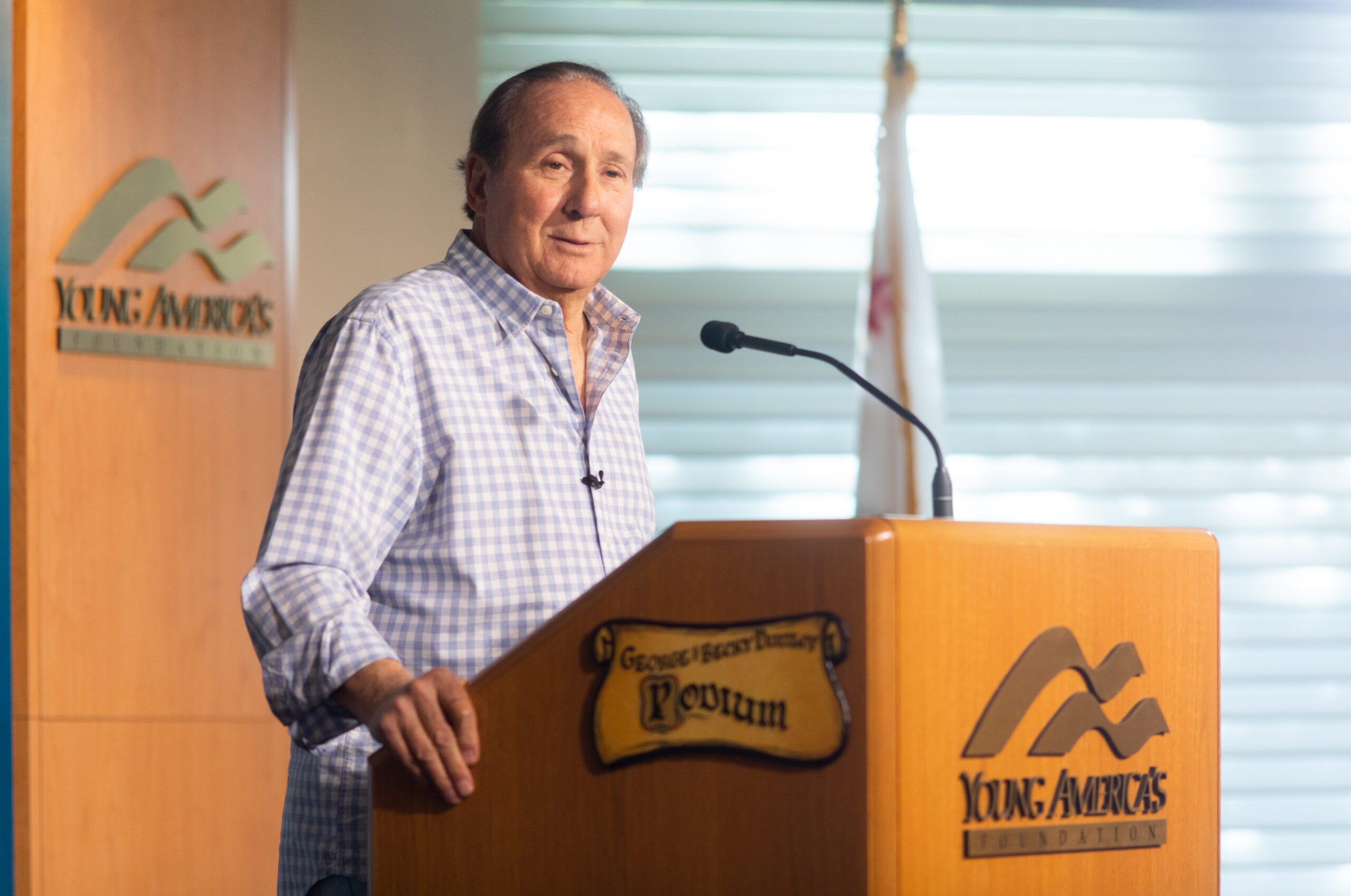
Decades ago, Young America’s Foundation raised the funds to purchase Rancho del Cielo, Ronald Reagan’s ranch high above Santa Barbara. What might have remained a private place instead became something far more purposeful: a working classroom devoted to the ideas that animated Reagan’s public life.
Alongside the ranch itself, the Reagan Ranch Center in Santa Barbara was created as an educational hub, drawing students from across the country to study Reagan’s leadership and worldview. The focus there has never been celebrity or nostalgia. It has always been on ideas—limited government, constitutional principles, and the habits of mind that shaped Reagan’s presidency.
“Michael worked alongside Young America’s Foundation to share his father’s legacy and ideas with new generations. He was typically the opening speaker at our high school conferences at the Reagan Ranch, setting the stage for the entire week and for the experience young people have when they walk in Ronald Reagan’s footsteps at Rancho del Cielo.”
- Andrew Coffin, Vice President of Young America’s Foundation
and Director of the Reagan Ranch
There is an important distinction here.
The Reagan Presidential Library serves, appropriately, as the definitive historical archive of the Reagan presidency—a place of record, research, and remembrance. The Ranch and the Reagan Ranch Center play different roles. They are less about preservation and more about transmission, making sure Reagan’s ideas are still taught, tested, and understood.
Michael Reagan grasped that difference instinctively. He never saw the ranch as a shrine. He saw it as a tool, and he stayed personally invested in keeping it one.
A Man, Not a Symbol
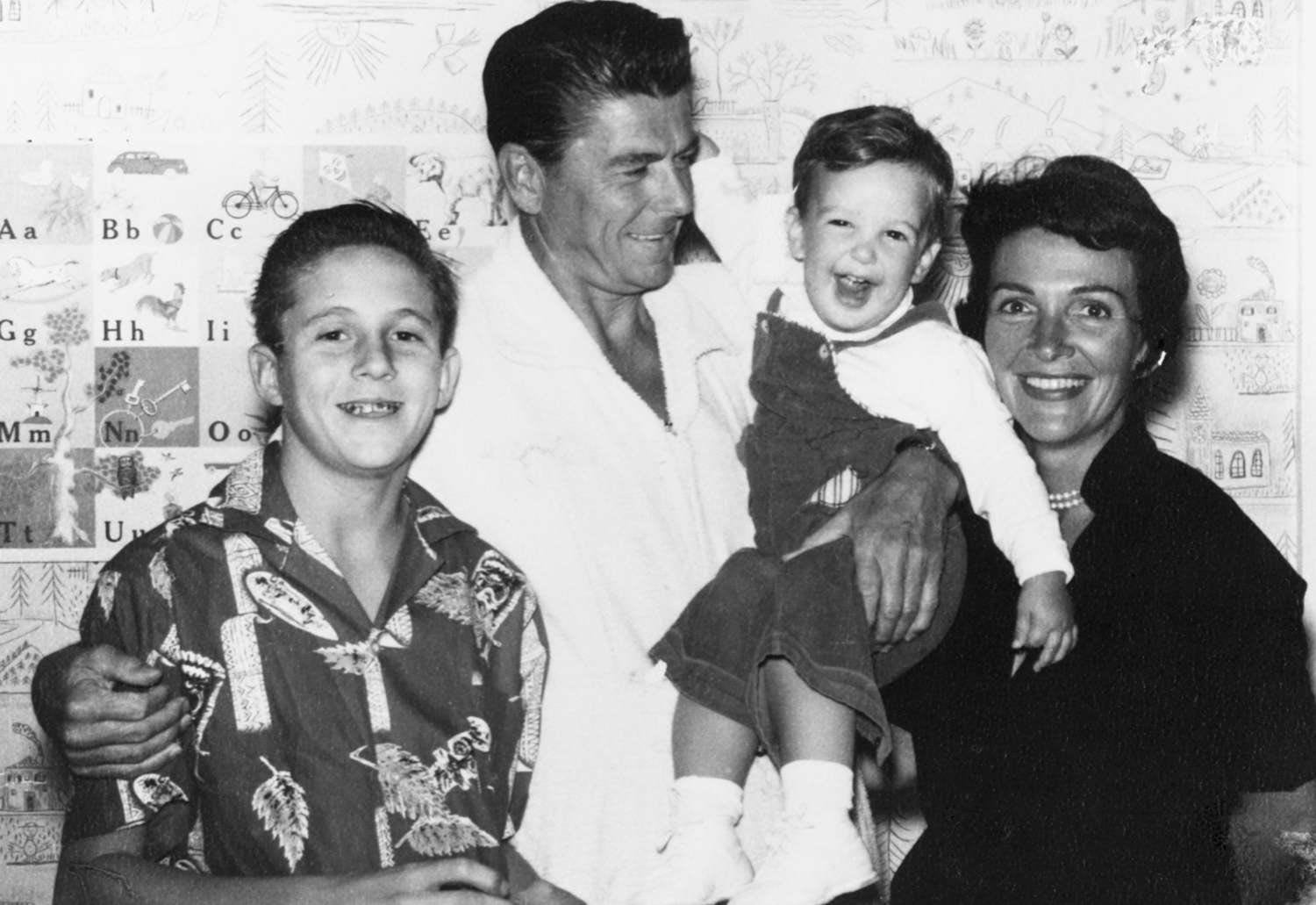
Michael’s own life story was not simple. Adopted shortly after birth by Ronald Reagan and Jane Wyman, he grew up with a famous name and a complicated family dynamic. Reagan married Nancy when Michael was a toddler, and from that day, Nancy raised Michael as if he were her own son.
He built his own career as an author, commentator, and radio host. More than that, he became one of the clearest voices explaining what Ronald Reagan actually believed—often pushing back against caricatures from critics and selective memory from admirers.
Away from the spotlight, Michael was exactly what you would hope: a loyal friend, a curious mind, someone who cared about accuracy and context. He valued loyalty, loved his family deeply, and carried himself with the quiet confidence of someone who understood both the reach and the limits of public life.
So, Does It Matter?
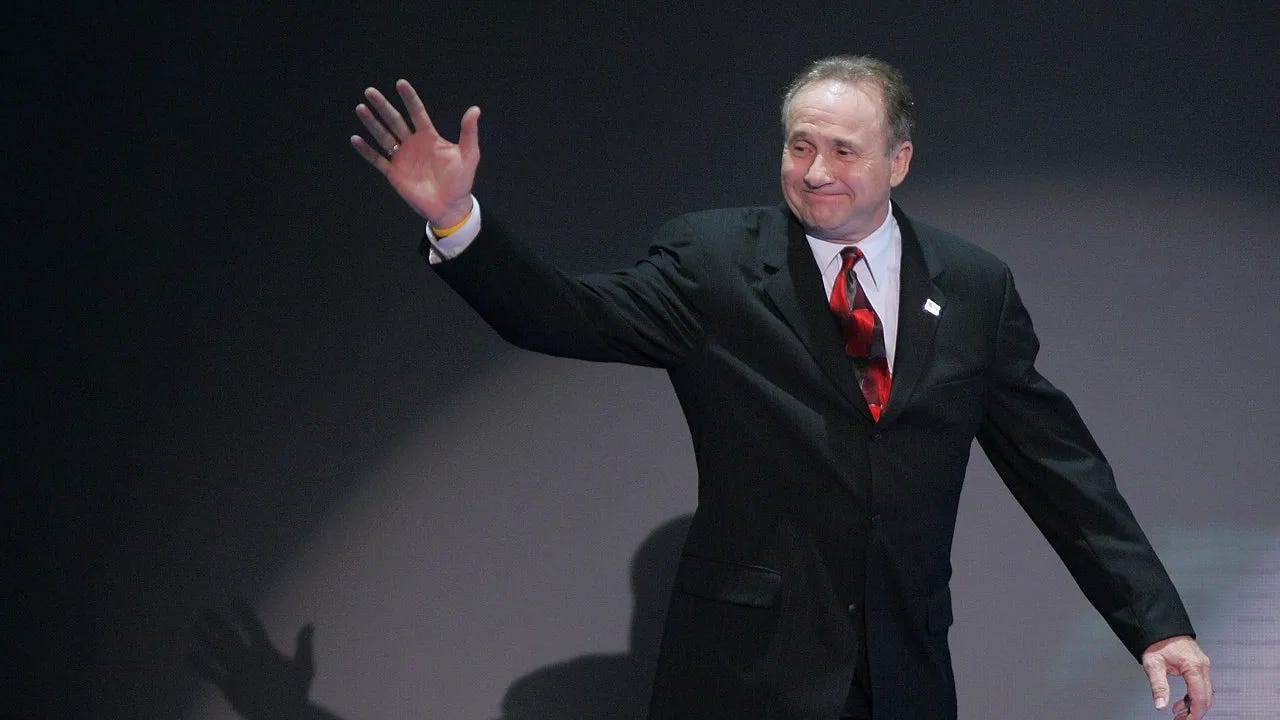
In the days ahead, many people will rightly reflect on Ronald Reagan. Michael would have understood that instinct. He spent much of his life defending his father’s record and explaining why that presidency mattered.
But Michael Reagan’s own contribution deserves attention as well. At a moment when many people in his position might have tried to reinvent themselves, distance themselves, or trade on a famous name, Michael made a different choice. He chose stewardship over self-reinvention. He decided to explain rather than obscure, to preserve rather than rebrand, and to pass something on rather than reshape it in his own image.
That choice is why he mattered—and why the Reagan years did not end when the presidency did.