

California Unions May Decide Which Republican Advances In The Governor’s Race — And Which One Doesn’t
If Labor Acts To Stop All-GOP Runoff In The Governor’s Race, Steve Hilton Would Be Right Out Of Central Casting

Our morning columns are available to all subscribers and guests. You can also listen to this content. Search for it on your favorite podcasting app. Or go here.
⏱️ 6 min read
The Risk Calculation
If California’s public-employee unions conclude that two Republicans could plausibly advance to the November runoff, they will not act quietly. They will act decisively — and publicly — to shape the field.
In my previous column, I argued that the “two Republicans advance” theory isn’t about arithmetic. It’s about institutional power. California elections are shaped by organizations with money, message discipline, and a deep understanding of the top-two system. No institution deploys political capital more effectively than organized labor.
Assuming Riverside County Sheriff Chad Bianco and former Fox News host Steve Hilton remain the leading Republicans, my prediction is straightforward: labor would go all in to ensure Hilton advances. Not because they prefer him, but because they calculate risk.
The Bianco Variable
Start with Bianco’s ballot designation. “Riverside County Sheriff” carries weight. In a state where crime, homelessness, and disorder dominate voter concerns, being a sitting sheriff in one of California’s largest counties is not an insignificant credential. It signals executive authority, law enforcement experience, and managerial responsibility over a large bureaucracy. Would enough independents or soft Democrats cross party lines to elect a Republican sheriff governor in a general election? I remain skeptical. But unions are not gambling on probabilities. They are minimizing exposure. Bianco’s résumé introduces a variable they would rather not test. A lawman running in a moment of public anxiety about safety presents a different general-election risk profile than a former television host.
The Hilton Contrast
Which brings us to the second — and more consequential — factor: narrative clarity. Last November’s lopsided passage of Proposition 50 demonstrated how potent a clean anti-Trump message remains in California. The “Yes” campaign effectively nationalized the ballot measure. Voters who disapproved of Donald Trump were handed a vehicle to express it.
If labor intends to rerun that playbook in a gubernatorial race, the Republican nominee must be easily, visually, and repeatedly tethered to Trump. Steve Hilton fits that model almost perfectly.
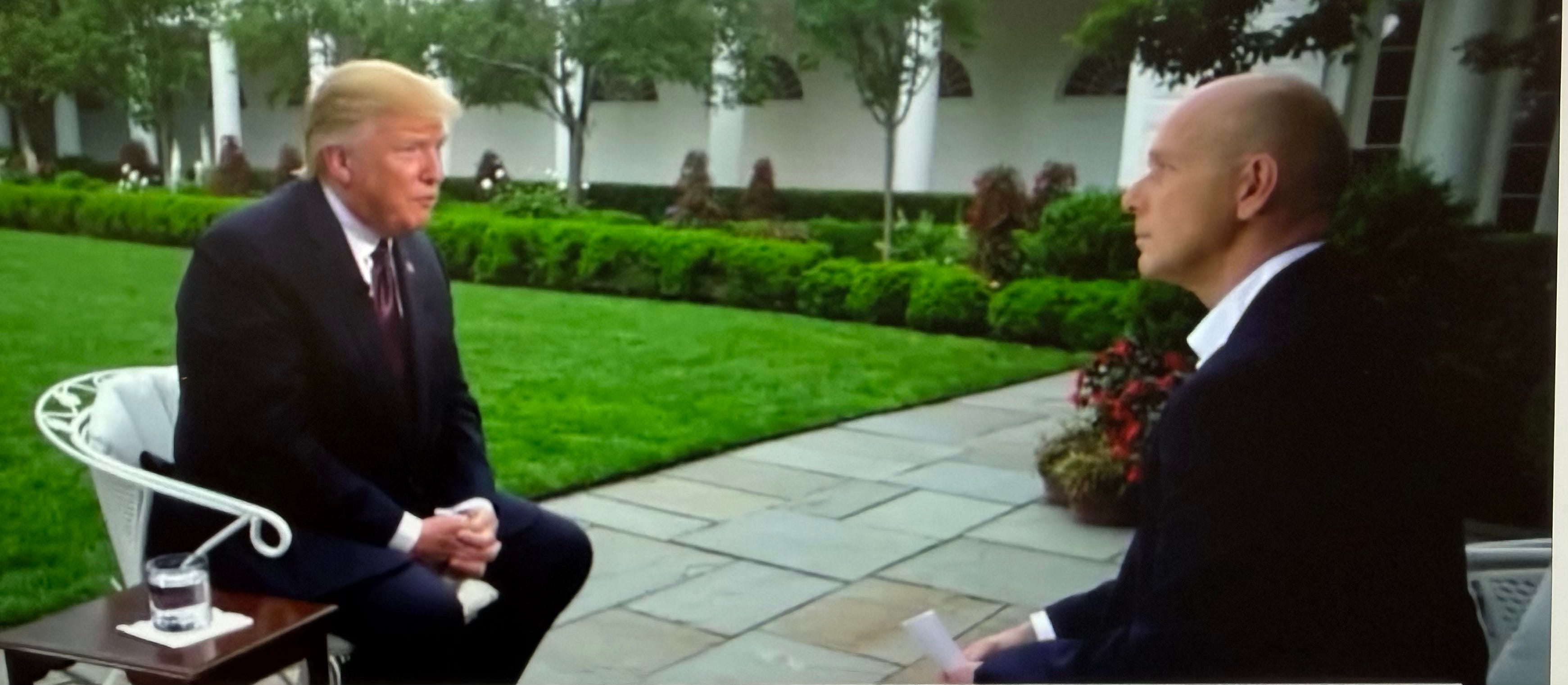
Hilton spent years as a Fox News host during Trump’s presidency. He interviewed Trump at the White House. He has publicly discussed speaking with him. There are clips, still photos, and broadcast-quality footage ready for digital and television advertising. Bianco, by contrast, may praise Trump and align ideologically, but he does not come preloaded with years of national television visuals that can be stitched together into effortless anti-Trump contrast ads.
The Precedent And The Machine
There is precedent for this approach. In the 2024 U.S. Senate primary, Adam Schiff’s campaign spent millions on ads that bolstered Republican Steve Garvey’s profile, helping consolidate GOP voters and shape the runoff. The objective was simple: avoid an expensive Democrat-on-Democrat general election and secure a Republican opponent in a state where party registration heavily favors Democrats. It worked.
This gubernatorial primary would operate under the same logic. If unions perceive even a modest risk of an all-Republican November, they will not sit back and hope Democratic vote-splitting resolves itself. They will spend. They will saturate. They will define.
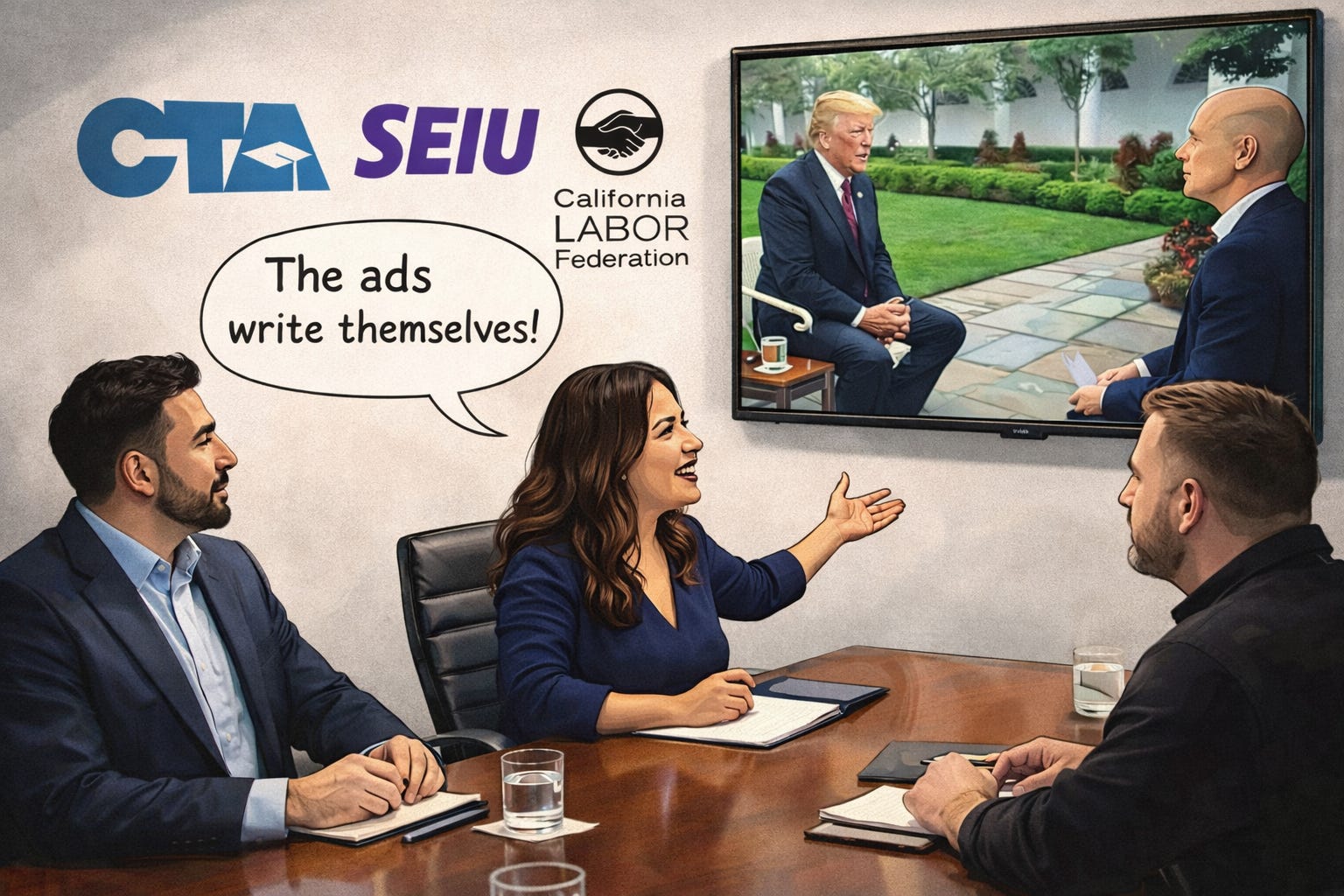
It remains to be seen whether the California Teachers Association, SEIU, and the California Labor Federation can coalesce around a single Democrat. They may fracture. But even if they divide on which Democrat to elevate, I suspect they will unify on which Republican to allow through — and which one to oppose.
Neither Hilton nor Bianco would be remotely acceptable to organized labor in office. Both would threaten the pay-to-play architecture that dominates Sacramento — a system in which public-employee unions finance Democratic campaigns and then sit across the bargaining table from the very politicians they helped elect, negotiating contracts that taxpayers ultimately fund. Governors like Gavin Newsom are not bystanders in that arrangement. They are beneficiaries of it. A Republican governor would not just change policy; he would disrupt the revenue-and-power cycle that sustains the union machine.
So, Does It Matter?
California politics is not a morality play. It is a system governed by incentives, money, and institutional self-preservation. If labor concludes that shaping the Republican lane reduces uncertainty in November, it will act accordingly. And if it must decide which Republican to help advance, it will likely choose the one whose contrast campaign is already storyboarded, edited, and ready to air.
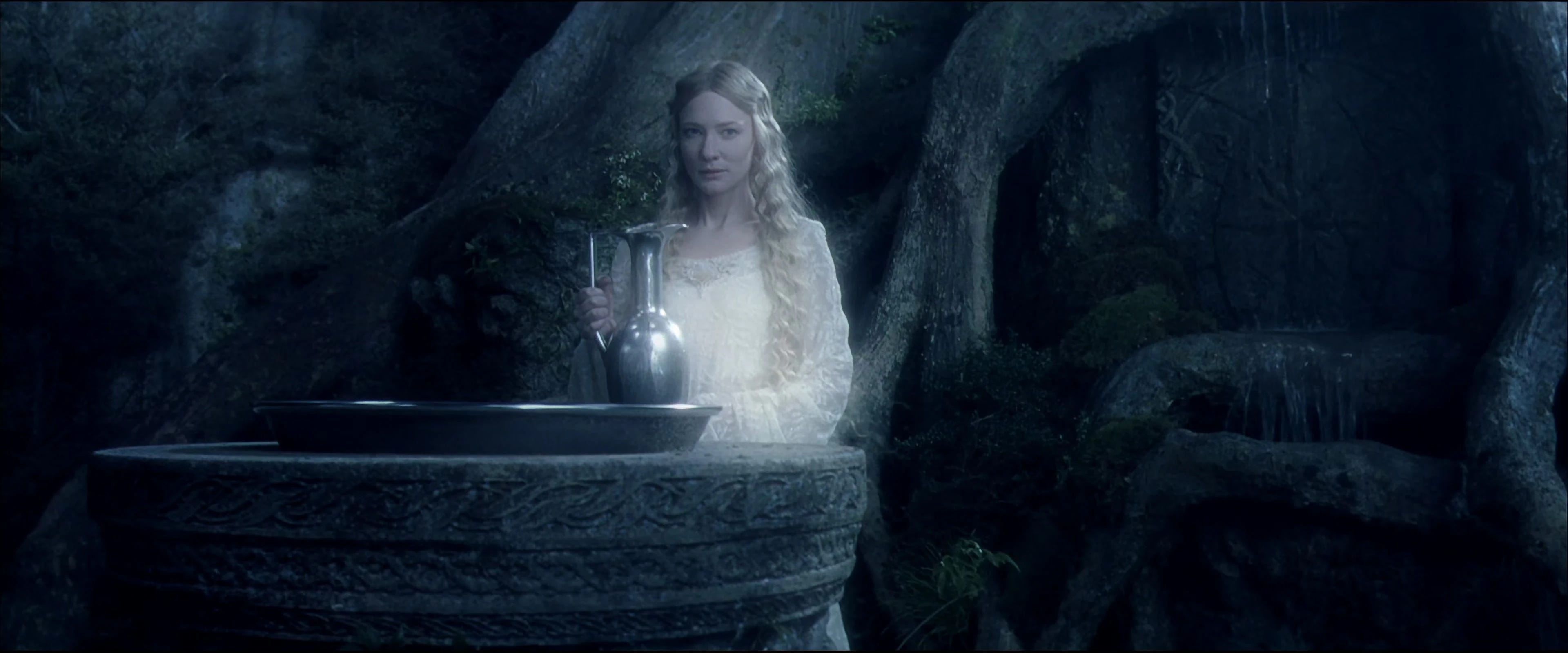
As Galadriel warned in The Fellowship of the Ring, “For the Mirror shows many things… things that were, and things that are, and some things that have not yet come to pass.”
Which outcome ultimately materializes, even the wisest cannot yet tell. But if intervention comes, it will not be subtle. As Connor McCloud declares in Highlander, “There can be only one!”